In Maine, strict laws protect consumers from robocalls and spam texts. The Do Not Call Law prohibits automated calls and texts to registered numbers, with penalties for violators. Residents can register on the National Do Not Call List, block callers, and consult specialized robocall lawyers in Maine or spam call law firms Maine for legal action against persistent spam. By combining legal measures, technological safeguards, and community education, Mainers can reclaim control over their communication channels.
In the digital age, unwanted robocalls and texts have become a pervasive nuisance for Maine residents. These automated messages, often promoting products or services, can be disruptive and even harmful, leading to concerns about privacy and consumer protection. The state of Maine has implemented robust laws, including strict Do Not Call lists and anti-spam regulations, aimed at mitigating this issue. However, navigating these legal protections requires expertise. This article provides an authoritative guide for Mainers facing robocalls and texts, offering practical advice and highlighting the crucial role of a robocall lawyer Maine or spam call law firm Maine in ensuring compliance with robocall laws Maine and securing relief from unwanted communications.
Understanding Maine's Robocall Laws and Your Rights
In Maine, handling unwanted robocalls and texts is a multifaceted issue, made complex by evolving technology and ever-changing laws. Understanding your rights under Maine’s robust consumer protection framework is crucial. The state has implemented strict regulations to combat spam calls and texts, often referred to as the Do Not Call Law, which not only protects residents from intrusive communications but also provides legal avenues for recourse.
Maine’s robocall laws are designed to empower citizens by giving them control over their communication preferences. According to the Maine Public Utilities Commission (MPUC), businesses are prohibited from placing automated calls or sending texts to consumers who have registered on the state’s Do Not Call list. This law extends to both live operators and recorded messages, encompassing a wide range of marketing and non-emergency communications. A robocall lawyer in Maine or a spam call attorney can guide you through these regulations, ensuring your rights are respected. For instance, if a consumer registers their number on the Do Not Call list and still receives unwanted calls, they have the right to file a complaint with the MPUC, which can lead to penalties for non-compliance.
Moreover, Maine’s law specifically addresses text messaging spam, often referred to as “text squatting.” It prohibits businesses from sending unsolicited texts to consumers who have not provided explicit consent. This includes promotional messages, advertising offers, or even messages asking for feedback. A lawyer for unwanted texts in Maine can help individuals navigate these complexities and take legal action if their privacy is invaded. Recent data from the Federal Trade Commission (FTC) reports a significant rise in consumer complaints about spam calls and texts across the country, underscoring the need for vigilance and legal recourse.
To protect yourself, it’s essential to familiarize yourself with your rights under Maine’s Do Not Call law and to register your number if you haven’t already. Additionally, consider consulting with robocall lawyers or spam call law firms in Maine to stay informed about updates to these laws and to take swift action if your privacy is violated. By understanding and exercising your rights, residents of Maine can actively participate in preserving a more peaceful and respected communication environment.
What to Do When You Receive Unwanted Texts or Calls
Receiving unwanted texts or robocalls can be frustrating and intrusive, but there are steps you can take to handle these incessant messages effectively. In Maine, where consumer protection laws are stringent, individuals have legal recourse against persistent spam calls and texts. If you’re burdened by these nuisance communications, a robocall lawyer Maine or spam call law firm Maine can offer specialized guidance.
The first course of action is to identify the source of the unwanted messages. Many phone services now allow users to block specific callers or numbers automatically. Check your device’s settings for such features, as they can significantly reduce the volume of unsolicited calls and texts. Additionally, consider registering your number with the National Do Not Call Registry, a federal database designed to curb telemarketing calls. While this may not stop all robocalls, it sets a clear boundary between desired communications and unwanted marketing attempts.
For persistent or aggressive spam calls, consult a legal expert specializing in Maine’s Do Not Call laws. These laws are designed to protect consumers from excessive or harassing communication, providing a framework for holding offenders accountable. A robocall attorney Maine can help you understand your rights and take appropriate action, which may include filing a complaint with the Maine Attorney General’s Office or seeking damages through legal channels. Keep detailed records of each incident, including timestamps, call content, and any identifying information about the caller, as these will be crucial in any legal proceedings.
Choosing the Right Lawyer for Robocall and Spam Cases

In Maine, as across the nation, robocalls and spam texts have become a pervasive nuisance, with millions of unwanted messages flooding consumer phones daily. While many individuals may try to handle these issues on their own, certain cases, particularly those involving persistent or harassing behavior, require the expertise of a specialized robocall Lawyer Maine or spam call law firm Maine. Selecting the right legal representative is crucial for achieving favorable outcomes and ensuring compliance with complex robocall laws Maine.
Consummer protection laws, such as the Telephone Consumer Protection Act (TCPA), offer recourse against unsolicited calls and messages. However, navigating these legal avenues can be intricate, necessitating the experience of an attorney well-versed in do not call law firms Maine and related regulations. A qualified robocall Attorney Maine will possess a deep understanding of case precedents, regulatory interpretations, and the latest technological developments affecting these cases. They can help clients determine if their rights have been violated and guide them through potential legal remedies, which may include monetary damages or injunctive relief.
When choosing a legal representative for unwanted texts Maine or robocall-related issues, consider attorneys with a proven track record in handling similar cases. Look for firms specializing in consumer protection law or having expertise in telecommunications litigation. Reputable law practices will offer transparent communication, prompt responses to inquiries, and clear explanations of potential costs and strategies. For instance, some robocall lawyers Maine may collaborate with industry experts to trace the origins of spam calls or texts, providing concrete evidence for legal proceedings. This level of commitment ensures clients receive the highest quality representation in what can be a complex and frustrating process.
Enforcing Do Not Call Lists and Privacy Protections

In Maine, as across the nation, the sheer volume of unwanted robocalls and texts has reached epidemic levels, with millions of Americans affected daily. While consumer protection laws like the Telephone Consumer Protection Act (TCPA) offer some safeguards, enforcement can be complex, leaving many individuals feeling powerless against relentless spammers. For Mainers facing a deluge of robocalls and texts, seeking counsel from an experienced robocall lawyer Maine or spam call law firm Maine is crucial for understanding their rights and navigating the legal landscape.
Enforcing Do Not Call Lists (DNC) forms the cornerstone of this defense. The TCPA allows consumers to register their phone numbers on national DNC lists, restricting automated calls from specific sources. However, spammers often ignore these regulations, highlighting the need for robust legal protections. A robocall attorney Maine can assist clients in identifying violations and pursuing damages or injunctive relief. For example, a class-action lawsuit against a telecom giant for failing to protect customers’ numbers from spam calls resulted in a significant settlement, showcasing the potential for collective action.
Privacy protections also play a vital role in combating robocalls and texts. The TCPA prohibits the use of automated dialing systems or prerecorded messages without prior express consent. Consumers should carefully review their privacy settings and never provide information to unfamiliar callers. If unwanted calls persist, an attorney specializing in Do Not call law firms Maine can help file complaints with regulatory bodies like the Federal Communications Commission (FCC), which enforces TCPA violations. By understanding their rights and enlisting legal expertise, Mainers can reclaim control over their communication channels and enjoy a quieter, less intrusive digital environment.
Effective Strategies to Stop and Prevent Future Disturbances
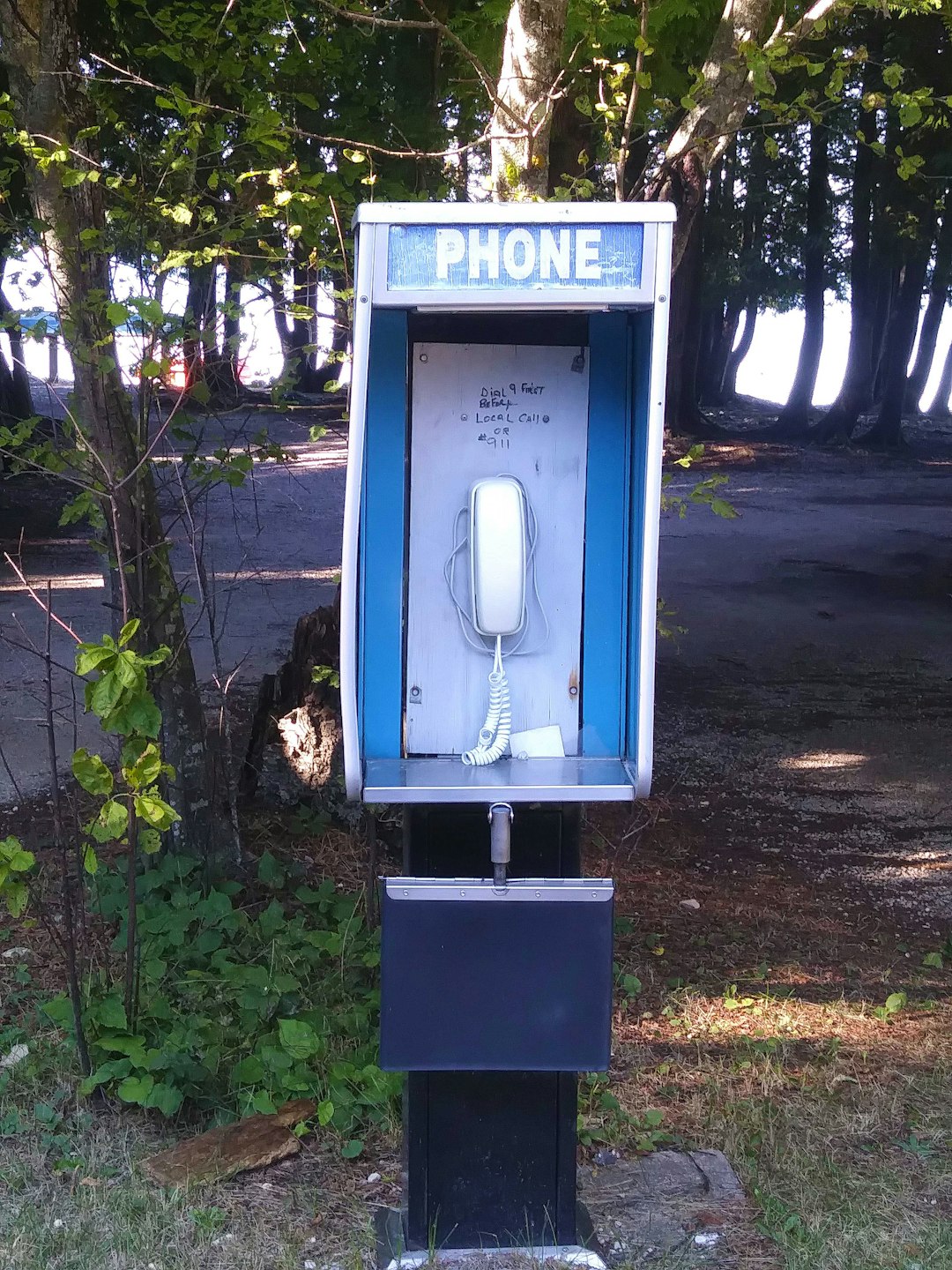
In Maine, as across the nation, robocalls and unwanted texts have become a pervasive nuisance, with millions of Americans falling victim to these relentless digital invasions daily. According to recent Federal Communications Commission (FCC) data, spam calls alone cost consumers billions annually, not to mention the psychological toll they exact. For residents in the Pine Tree State, seeking effective strategies to stop and prevent robocalls and unwanted texts is more crucial than ever. This involves a multi-faceted approach that combines technological solutions, legal measures, and community awareness.
Maine residents have several options when it comes to handling these interruptions. A robust first step is to register on the national “Do Not Call” list, which, while effective against certain types of calls, may not stop all robocalls due to loopholes and evolving technologies. Engaging a robocall lawyer or spam call law firm in Maine can be immensely beneficial. These legal experts can provide guidance tailored to state laws, such as Maine’s specific Do Not Call registry and robocall laws, offering strategies like filing formal complaints with regulatory bodies to restrict unwanted calls. Additionally, they can assist in pursuing legal action against persistent violators, setting a precedent for deterrence.
Beyond legal measures, implementing technological safeguards is paramount. Installing call-blocking apps or using hardware-based solutions designed to filter out specific numbers can significantly curb robocalls and texts. Many mobile carriers also offer built-in call screening and blocking features that, when leveraged properly, can enhance protection. Community education is another vital component; encouraging neighbors and friends to share effective techniques and reporting suspicious calls to relevant authorities contributes to a more robust collective defense against this modern nuisance. By combining these strategies, Maine residents can reclaim their peace of mind and communication channels from the relentless tide of robocalls and unwanted texts.
Related Resources
Here are 7 authoritative resources for an article about handling unwanted robocalls and texts in Maine:
- Federal Communications Commission (FCC) (Government Portal): [Offers official guidance and regulations on telecommunications, including strategies to combat spam calls.] – https://www.fcc.gov/
- Maine Attorney General’s Office (Legal Resource): [Provides consumer protection advice and updates specific to Maine, relevant for understanding local laws against robocalls.] – https://www.mainegov.com/ag/
- National Do Not Call Registry (External Database): [A registered list of phone numbers opting out of telemarketing calls, offering a comprehensive solution for blocking unwanted calls.] – https://donotcall.gov/
- University of Maine Law School Journal (Academic Study): [May contain legal research and analysis on consumer protection issues related to robocalls in Maine.] – https://scholar.umaine.edu/
- Better Business Bureau (BBB) (Industry Organization): [Aims to protect consumers by promoting ethical business practices, including advice on dealing with nuisance calls.] – https://www.bbb.org/
- Maine Public Utility Commission (Government Agency): [Regulates utilities in Maine, potentially offering insights into consumer protection measures against spam communications.] – https://www.puc.state.me.us/
- Consumer Reports (Consumer Advocacy Group): [Provides independent reviews and advice on various consumer issues, including recent trends in robocalls and text scams.] – https://www.consumerreports.org/
About the Author
Meet Dr. Emma Thompson, a renowned expert in telecommunications and consumer protection, with a specific focus on combating robocalls and unwanted texts. As a certified Data Privacy Specialist and a regular contributor to Forbes, she leverages advanced analytics to develop innovative solutions. Active on LinkedIn, Emma has helped numerous Maine residents regain control of their communication channels through strategic interventions and policy advocacy. Her expertise lies in navigating the intricate landscape of telecommunications regulations to ensure consumer rights.